
Sermorelin Injection Dosage

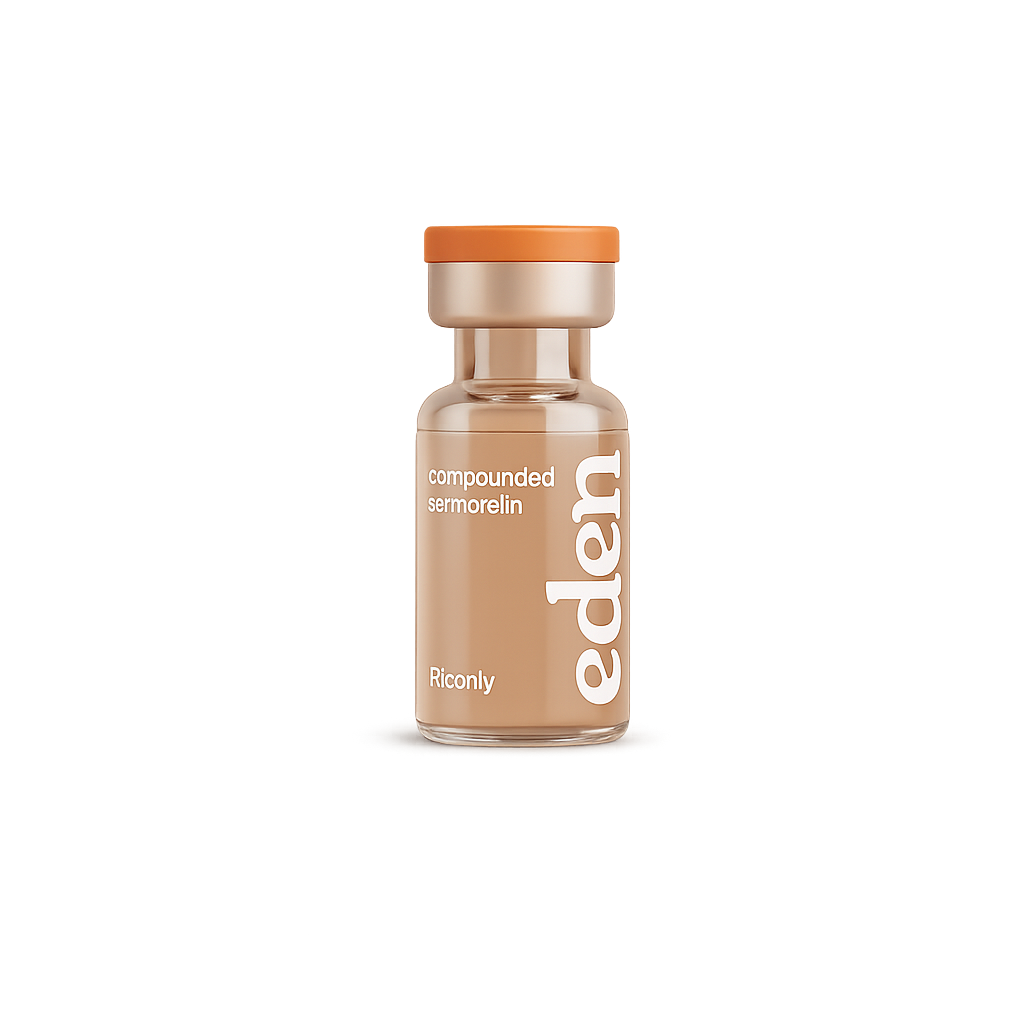
Sermorelin injection dosage is determined by a licensed physician based on your age, weight, hormone levels, and health goals. Most programs start at a conservative dose and adjust based on lab work and how your body responds over the first several weeks of treatment. Because sermorelin is a prescription-only compounded medication, your dosage will be personalized — there is no one-size-fits-all protocol.
Learn more about sermorelin injections cost and what to expect from a telehealth program.
Sermorelin Injection Dosage

Standard Sermorelin Injection Dosage

Sermorelin injection dosing protocols can vary between providers, but most physician-guided programs follow a standard range based on clinical guidelines and patient response. The most commonly prescribed sermorelin injection dosage falls between 200mcg and 500mcg per day, administered as a single subcutaneous injection before bed following the sermorelin injection instructions provided by your telehealth provider. Your prescribing provider will determine the right starting dose for you based on your current IGF-1 levels and overall health profile. Before reviewing dosing specifics, it helps to understand the full range of sermorelin injection benefits you can expect from treatment.
  • Standard dose range: 200mcg–500mcg per day
  • Administered as a single subcutaneous injection
  • Injected before bed to align with natural HGH release
  • Dose adjusted based on lab results and patient response
  • Prescription required — available through licensed telehealth providers

Sermorelin Injection Dosage by Treatment Goal

Sermorelin injection dosing may be adjusted depending on your primary treatment goal. While all patients start within the standard dosage range, providers may fine-tune the protocol based on whether you are focused on anti-aging, body composition, recovery, or sleep improvement.

Anti-Aging & Wellness

Most anti-aging protocols start at 200mcg–300mcg daily, with gradual increases based on IGF-1 response over the first 8–12 weeks.

Body Composition

Patients focused on lean muscle and fat loss may be prescribed 300mcg–500mcg daily, combined with a structured exercise and nutrition plan.

Sleep and Recovery

Lower doses of 200mcg–300mcg taken consistently before bed are often sufficient to improve sleep quality and recovery within the first 2–4 weeks.

Sermorelin Injection Dosage Timing

When you take your sermorelin injection is just as important as the dosage itself. Sermorelin injection dosing is almost universally prescribed at night before bed — and for good reason. Your body naturally releases the majority of its growth hormone during deep sleep. By timing your sermorelin injection to coincide with this window, you maximize the pituitary response and allow the medication to work in harmony with your body's natural hormonal rhythms. Your prescribed sermorelin injection frequency will be confirmed by your provider at the start of treatment.
sermorelin injection dosage timing before bed
  • Inject before bed — aligns with your body's natural HGH release cycle
  • Avoid eating 2–3 hours before injection for best absorption
  • Inject at the same time each night for consistent results
  • Do not inject in the morning — HGH release is lowest during waking hours
  • Most programs recommend daily injections, 5–7 days per week

How Sermorelin Injection Dosage Is Adjusted

Sermorelin injection dosage is not static — your provider will monitor your progress and adjust your protocol based on how your body responds. Most adjustments happen after your first follow-up lab work, typically at the 8–12 week mark. IGF-1 levels are the primary marker used to evaluate whether your current sermorelin injection dosage is producing the desired hormonal response. If levels are too low, your dose may be increased. If IGF-1 is within optimal range, your provider may maintain or slightly reduce the dose to avoid over-stimulation.
  • Initial labs taken before starting treatment
  • Follow-up IGF-1 test at 8–12 weeks
  • Dose increased if IGF-1 response is insufficient
  • Dose maintained or reduced if IGF-1 is within optimal range
  • Ongoing check-ins with your provider throughout treatment

Sermorelin Injection Dosage for Men and Women

Sermorelin injection dosage is generally prescribed within the same standard range for both men and women — typically 200mcg to 500mcg per day — but the specific starting dose and protocol adjustments can vary based on individual hormone levels, age, and treatment goals rather than gender alone.

Men pursuing sermorelin therapy for lean muscle support and athletic recovery may be prescribed doses toward the higher end of the standard range, particularly if baseline IGF-1 levels are significantly below optimal. Women using sermorelin for sleep quality, skin health, and anti-aging goals often respond well at lower starting doses, with adjustments made based on how their IGF-1 levels respond over the first 8–12 weeks of treatment.

In both cases, the prescribing physician takes a personalized approach to sermorelin injection dosage. Age is a significant factor — older patients may require slightly higher doses to achieve the same IGF-1 response as younger patients, simply because natural HGH production declines with age. Body weight and composition also play a role in determining the appropriate starting dose. Your provider will review all of these factors during your initial consultation and set a sermorelin injection dosage that is appropriate for your specific profile before adjusting based on follow-up lab results.

Sermorelin Injection Dosage Safety — What to Avoid

One of the advantages of sermorelin therapy over synthetic HGH is that your body's natural feedback system provides a built-in safety mechanism — if IGF-1 levels rise too high, the pituitary gland naturally reduces its response. That said, following your prescribed sermorelin injection dosage correctly is still important for both safety and effectiveness.

The most common dosage-related mistake patients make is self-adjusting their dose without consulting their provider. Increasing your sermorelin injection dosage beyond what was prescribed in an attempt to accelerate results is not recommended and can lead to side effects including water retention, joint discomfort, and temporary numbness or tingling. These side effects are typically associated with excessive IGF-1 stimulation and resolve when dosage is reduced.

Never inject a higher dose than prescribed and never inject more frequently than your protocol specifies without provider approval. If you feel your current sermorelin injection dosage is not producing results, contact your telehealth provider to schedule a follow-up lab review rather than adjusting on your own. A proper IGF-1 test will give your provider the data they need to make a safe and effective dose adjustment based on how your body is actually responding to treatment.

Sermorelin Injection Dosage Long Term —
What to Expect

Many patients who experience strong results from sermorelin therapy choose to continue treatment beyond the initial 3–6 month protocol. Long term sermorelin injection dosage typically shifts to a maintenance phase once IGF-1 levels have reached an optimal range and the patient has achieved their primary treatment goals.

During the maintenance phase, your provider may reduce your sermorelin injection dosage slightly or adjust your injection frequency from daily to 5 days per week. Some providers recommend periodic cycling — for example, taking sermorelin for 5 days and resting for 2 — to prevent pituitary receptor desensitization over extended use. These adjustments are designed to sustain the benefits of treatment at the lowest effective dose rather than maintaining the same aggressive protocol indefinitely.

Long term patients typically have follow-up lab reviews every 3–6 months to monitor IGF-1 levels and ensure the maintenance sermorelin injection dosage continues to produce the desired hormonal response. If levels drop below optimal range during a maintenance phase, the provider may temporarily increase the dose back to the original treatment level before tapering again. The goal of long term sermorelin therapy is to maintain the improvements achieved during the initial protocol while keeping the treatment as sustainable and cost effective as possible for the patient.

Sermorelin Injection Dosage Frequently Asked Questions

Common questions about sermorelin injection dosing protocols, timing, and how your provider determines the right dose for your treatment plan.

The standard sermorelin injection dosage ranges from 200mcg to 500mcg per day, administered as a single subcutaneous injection before bed. Your prescribing provider will determine the right starting dose based on your IGF-1 levels and health goals.

Sermorelin injections should be taken before bed to align with your body's natural growth hormone release cycle during deep sleep. Most providers recommend injecting at the same time each night for consistent results.

Most sermorelin injection dosing protocols call for daily injections, 5–7 days per week. Your provider will specify the exact frequency based on your individual treatment plan.

Yes — sermorelin injection dosage is regularly adjusted based on follow-up lab work, typically at the 8–12 week mark. IGF-1 levels are used to determine whether the current dose needs to be increased, maintained, or reduced.

The dosage range is generally similar for both men and women, though individual protocols may vary based on age, weight, baseline hormone levels, and treatment goals as determined by your physician.

Ready to Start Your Sermorelin Injection Program?

Get prescribed online, shipped to your door, and supported by licensed medical providers every step of the way.
Understanding sermorelin injection dosage starts with knowing what to look for in a physician-guided program.


Find more details about Sermorelin Injections.