
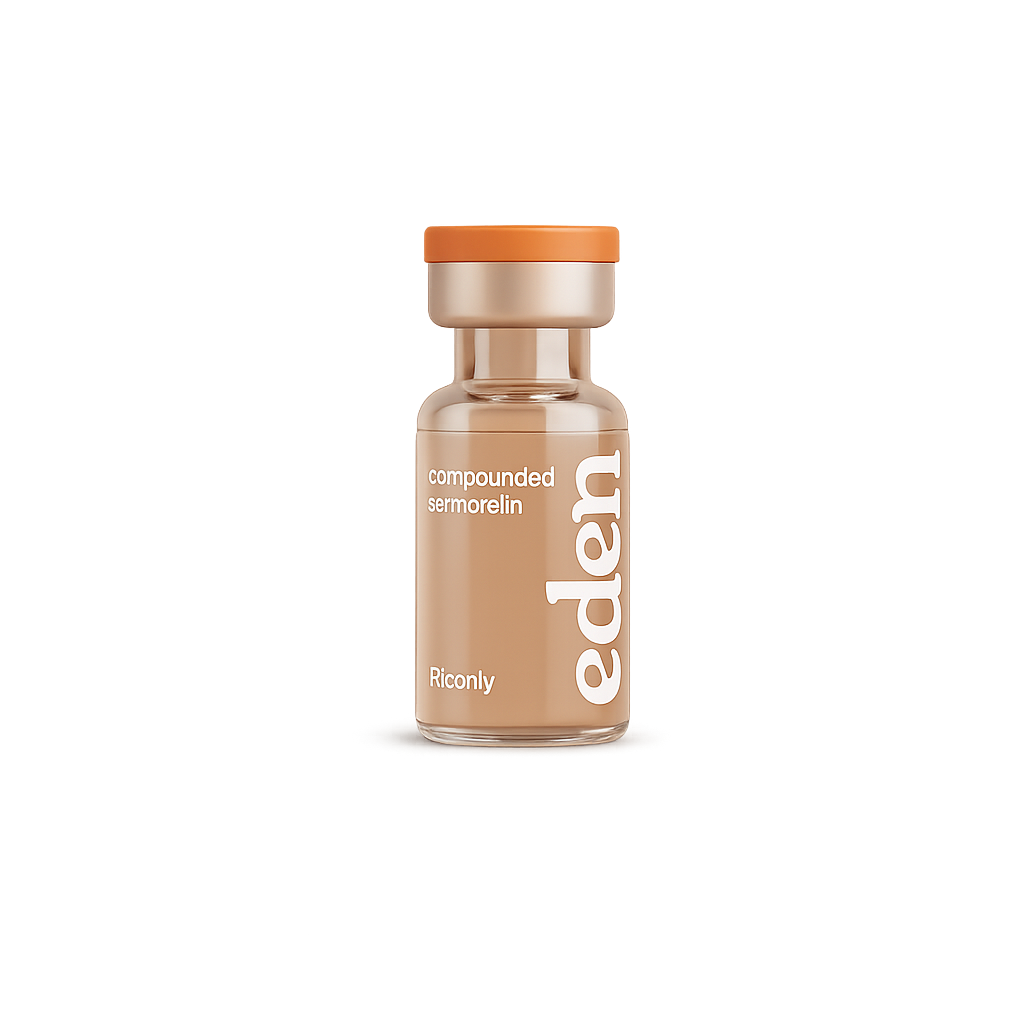

Sermorelin Injection Frequency

Sermorelin injection frequency is determined by your prescribing physician and depends on your treatment goals, current hormone levels, and how your body responds over the first several weeks of therapy. Most physician-guided sermorelin programs call for daily subcutaneous injections, though some protocols may adjust frequency based on follow-up lab results and patient response.
Learn more about sermorelin injections cost and what to expect from a telehealth program.
Sermorelin Injection Frequency

Standard Sermorelin Injection Frequency

For most patients, sermorelin injection frequency follows a daily protocol — one subcutaneous injection administered before bed, 5–7 days per week. This schedule is designed to mimic your body's natural growth hormone release pattern, which peaks during deep sleep. Daily dosing ensures a consistent stimulation of the pituitary gland, allowing IGF-1 levels to build gradually over time. Your prescribing provider will confirm the exact sermorelin injection frequency that is right for your individual treatment plan based on your starting hormone levels and health goals. Before starting, it also helps to review proper sermorelin injection dosage protocols with your provider.

Sermorelin Injection Frequency vs Dosage —
What's the Difference?

Many patients confuse sermorelin injection frequency with dosage — but they are two separate variables in your treatment protocol. Frequency refers to how often you inject — typically daily. Dosage refers to how much sermorelin you inject each time — typically 200mcg to 500mcg per injection. Both are prescribed by your physician and can be adjusted independently based on your IGF-1 response and overall progress.

For example, your provider may keep your sermorelin injection frequency at daily while increasing your dose from 200mcg to 300mcg after reviewing your 8-week lab results. Alternatively, they may reduce frequency to 5 days per week if your IGF-1 levels are responding well. Understanding both variables helps you follow your treatment protocol correctly and communicate more effectively with your care team.

Can Sermorelin Injection Frequency Be Adjusted?

Yes — sermorelin injection frequency is not fixed and can be adjusted by your provider based on how your body responds to treatment. Most adjustments happen at the 8–12 week follow-up when IGF-1 lab results are reviewed. If your levels are responding well, your provider may reduce frequency slightly to maintain results with less frequent injections. If levels are not where they should be, daily frequency may be maintained or a short-term increase may be recommended.

Some providers also recommend cycling sermorelin — for example, 5 days on and 2 days off — to give the pituitary gland brief rest periods and prevent receptor desensitization over long-term use. The right sermorelin injection frequency for your program will always be determined by your prescribing physician based on your individual response, not a one-size-fits-all schedule. To understand the full picture of what a sermorelin program involves, review the sermorelin injection benefits patients typically experience over a 3–6 month protocol.
sermorelin injection frequency daily subcutaneous protocol

Sermorelin Injection Frequency by Treatment Goal

While daily injection is the standard protocol, your sermorelin injection frequency may be slightly tailored depending on your primary treatment goal. Anti-aging and general wellness patients typically follow a daily schedule year-round, while patients focused on body composition or athletic recovery may follow more aggressive daily protocols during active treatment phases before transitioning to a maintenance frequency. Patients using sermorelin primarily for sleep improvement often find that even a consistent 5-day per week schedule produces noticeable results within the first few weeks of treatment.

Regardless of your goal, the most important factor is consistency. Skipping injections frequently or injecting at inconsistent times reduces the effectiveness of sermorelin therapy. Your provider will outline the recommended sermorelin injection frequency for your specific goals at the start of treatment and adjust as needed based on your progress and lab work. For a full overview of what sermorelin involves from start to finish, visit our sermorelin injection instructions page.

Daily vs Less Frequent Sermorelin Injection Protocols

When starting sermorelin therapy, most patients are prescribed a daily injection protocol — and for good reason. Daily sermorelin injection frequency provides the most consistent pituitary stimulation and allows IGF-1 levels to build steadily over the first several weeks of treatment. This is especially important during the initial phase of therapy when your body is still adjusting to the increased GHRH signaling.

Some providers do prescribe less frequent protocols — typically 5 days on and 2 days off — particularly for patients who are more sensitive to peptide therapy or who are transitioning into a long term maintenance phase after completing their initial 3–6 month program. This cycling approach gives the pituitary gland brief rest periods and is thought to reduce the risk of receptor desensitization over extended use.

The key difference between daily and less frequent sermorelin injection frequency protocols comes down to where you are in your treatment timeline and what your lab results indicate. During the active treatment phase, daily injections are almost always recommended. During maintenance, a reduced frequency may be appropriate. Your provider will always make this determination based on your IGF-1 levels and overall response — never based on convenience alone.

Sermorelin Injection Frequency and Sleep Timing

The reason sermorelin injection frequency is structured around daily bedtime injections is directly tied to how your body naturally produces growth hormone. The pituitary gland releases the majority of its daily HGH output during the first few hours of deep sleep — specifically during slow-wave sleep cycles that typically occur in the early part of the night. By injecting sermorelin before bed, you are timing the medication to coincide with this natural release window, allowing sermorelin to amplify the pituitary response at the moment it is most receptive.

Disrupting this timing — for example, injecting in the morning or skipping nights frequently — reduces the effectiveness of your sermorelin protocol regardless of the dose. Patients who maintain a consistent sermorelin injection frequency and inject at the same time each night tend to report the most noticeable improvements in sleep quality within the first 2–4 weeks of treatment. This is because the increase in natural HGH during deep sleep directly supports the restorative processes that improve sleep architecture over time.

If you struggle with consistent bedtime timing, setting a nightly reminder helps. Consistency in both timing and frequency is one of the simplest and most impactful things you can do to maximize your results from sermorelin therapy.

Sermorelin Injection Frequency During Long Term Treatment

Patients who choose to continue sermorelin therapy beyond the initial 3–6 month protocol often see their sermorelin injection frequency adjusted as they transition into a maintenance phase. During active treatment, daily injections are standard. Once IGF-1 levels have stabilized within an optimal range and the patient has achieved their primary treatment goals, many providers shift to a reduced maintenance frequency to sustain results at the lowest effective dose.

A common long term sermorelin injection frequency during maintenance is 5 days per week — typically Monday through Friday with weekends off — or a 5 days on, 2 days off cycling schedule. This approach maintains consistent pituitary stimulation while giving the body brief rest periods that are thought to preserve receptor sensitivity over time. Some patients continue daily injections indefinitely if their provider determines that their IGF-1 levels require ongoing daily support to stay within range.

Long term sermorelin patients should expect follow-up lab reviews every 3–6 months to assess whether the current injection frequency is still appropriate. If IGF-1 levels drop below optimal during a maintenance phase, your provider may temporarily return you to daily injections before tapering back again. The goal is always to find the minimum effective sermorelin injection frequency that keeps your hormone levels where they need to be while making long term therapy as sustainable as possible.

Sermorelin Injection Frequency
Frequently Asked Questions

Common questions about sermorelin injection frequency, how often to inject, and how your provider adjusts your protocol over time.

Most sermorelin programs call for daily subcutaneous injections, 5–7 days per week, administered before bed. Your prescribing provider will confirm the exact sermorelin injection frequency for your individual treatment plan.

Yes — daily injection is the standard sermorelin injection frequency for most physician-guided programs. Daily dosing ensures consistent pituitary stimulation and allows IGF-1 levels to build gradually over time.

Yes — once IGF-1 levels reach an optimal range, your provider may reduce sermorelin injection frequency to a maintenance schedule such as 5 days per week while continuing to monitor your progress through follow-up labs.

Missing an occasional injection will not significantly impact your results, but frequent missed doses can slow your progress. If you miss a dose, do not double up — simply resume your normal sermorelin injection frequency the following night.

Sermorelin is almost universally prescribed as a once-daily injection taken before bed. Twice-daily protocols are rare and would only be prescribed in specific clinical situations by your physician.

Ready to Start Your Sermorelin Injection Program?

Get prescribed online, shipped to your door, and supported by licensed medical providers every step of the way.
Understanding sermorelin injection frequency starts with knowing what to look for in a physician-guided program.


Find more details about Sermorelin Injections.